
One of the most popular country rock tunes of the 1970s, Amie by Pure Prairie League, was released in the fall of 1972. To support the release of their second studio album Bustin Out (which featured Amie), the band played college campuses mostly in the Midwest.
Unfortunately, RCA Records decided to drop the group after Bustin Out failed to reach the charts. College radio stations, however, were all over the song and college kids saw ‘Amie’ as an easy song to learn guitar.
By 1974, radio stations nationwide began playing ‘Amie’, written by singer and Waverly native Craig Fuller. The song got the attention of RCA who decided to re-sign the band and re-release ‘Amie’ as a single. While PPL toured, Amie exploded and Bustin Out eventually went Gold.
Pure Prairie League is described as a distinctly American band, recognized for their seamless blend of soft, country and folk rock, with a touch of southern and classic rock influences. They are widely considered one of the great seminal country rock bands.
Fuller and George Powell(guitar)along with Jim Lanham (bass) and Tom McGrail(drums) and John David Call (steel guitar) formed Pure Prairie League in 1969 in Columbus, Ohio. Three of the band members grew up in Waverly, Ohio, twenty minutes south of Chillicothe. The band developed a strong early following throughout the state, playing among other places the Agora in Columbus.
Instinctively they played country and rock and they harmonized. Throughout its history, however, Pure Prairie League was plagued by constant personnel changes. A key blow came in 1973, losing front man Craig Fuller for two years because of draft evasion. He served six months in jail plus community service at a hospital in Kentucky.
The band, without Fuller, still managed to grow their following. According to lyrictheatre.com, PPL’s music is “as crisp and clean as spring water and as comfortable as a well-worn cowboy shirt.” By the mid-1970s, PPL was reaching mainstream radio listeners with a run of five consecutive Top 40 LPs.
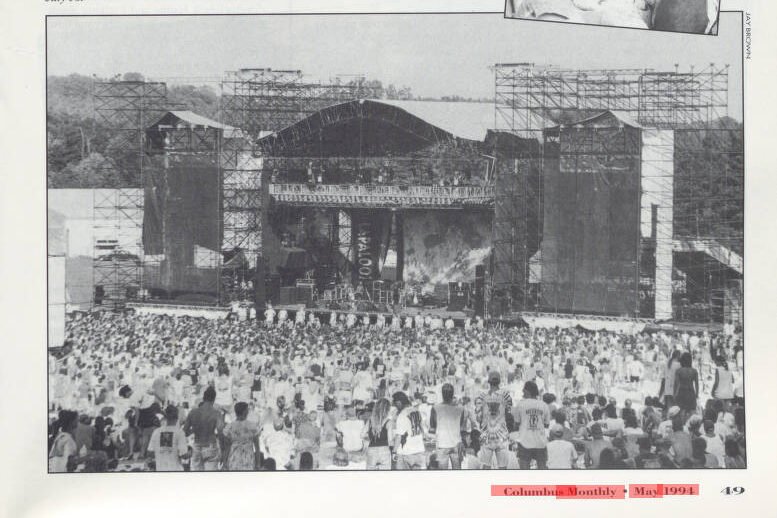
On July 30, 1978, an estimated 30,000 fans showed up for the first Legend Valley Dixie Jam at what is now Buckeye Lake, thirty miles east of Columbus. Among the headliners – The Charlie Daniels Band, Earl Scruggs and Pure Prairie League.
Then, the band lost their lead singer. George Powell, the last remaining original member, left to run a pig farm in Ohio.
After dozens of interviews, the band contacted Vince Gill, a young man from Oklahoma who had made his way to Los Angeles and was singing in a bluegrass band called Sundance. In high school growing up, Gill and a group of classmates formed a bluegrass band called Mountain Smoke. They gained popularity and were chosen as the opening act for Pure Prairie League when they came to Oklahoma City in the mid-1970s.
A meeting / jam session was scheduled. There was chemistry. Gill, just 21-years-old but already known in the music industry, became the lead vocalist. It was a tough offer to refuse – the band had gigs booked and a record deal with a major label, even if it was rock-n-roll.
Using half a dozen songs written by Gill, Pure Prairie League released Can’t Hold Back in 1979. They headlined the Legend Valley Dixie Jam II on July 1, along with the Allman Brothers, Molly Hatchet and McGuffey Lane.
PPL then moved on from RCA, signing a two-record deal with Casablanca Records who had signed Donna Summer and the Village People and – in 1979 alone – Cher and the Captain & Tennille. In 1980, the band released Firin Up featuring top ten single ‘Let me love you tonight’, a melodic ballad that opens with a sax solo from jazz legend David Sanborn. And just like that, the band was back.
Meanwhile Gill, who met singer Janis Oliver in his Los Angeles days, just got married. She sang on ‘Firin Up’. After the band released their next record on Casablanca, Gill announced Janis was pregnant and he was leaving the band.
Vince Gill, of course, would go on to fame and fortune. He was named ‘New Male Vocalist of the Year’ in 1984 by the Academy of Country Music and over his career earn twenty-two Grammy Awards.
Despite not having a record deal, the band was still in demand. By the end of the decade, however, they decided to call it quits.
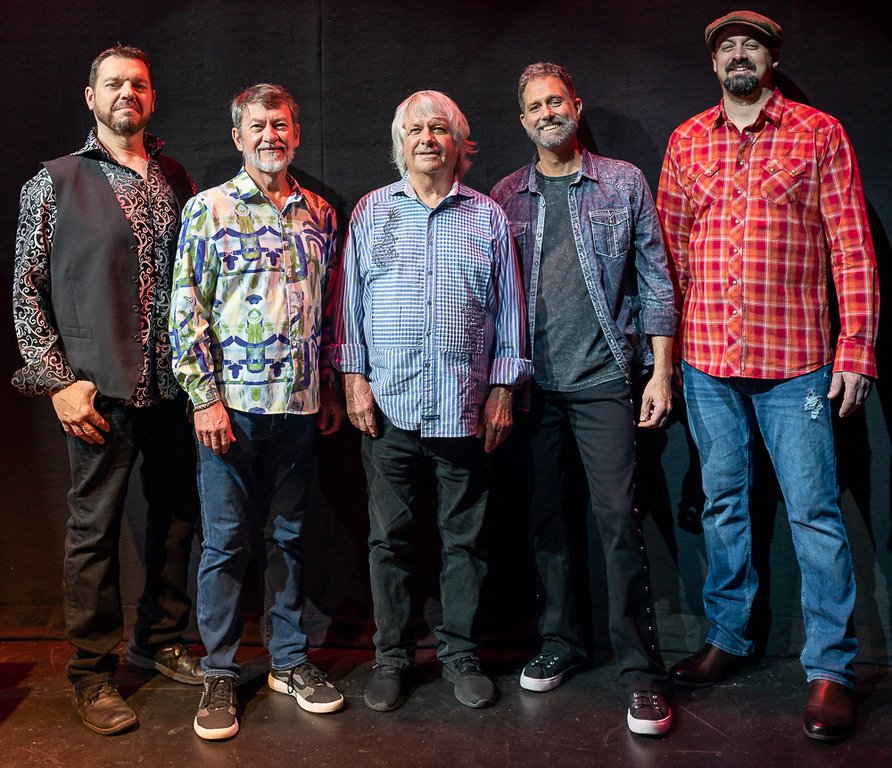
Pure Prairie League rekindled in the late 1990s, reforming with Fuller, Connor, Reilly, Fats Kaplan on pedal steel guitar & fiddle and Rick Schell on vocals and percussion. They have toured sporadically ever since.
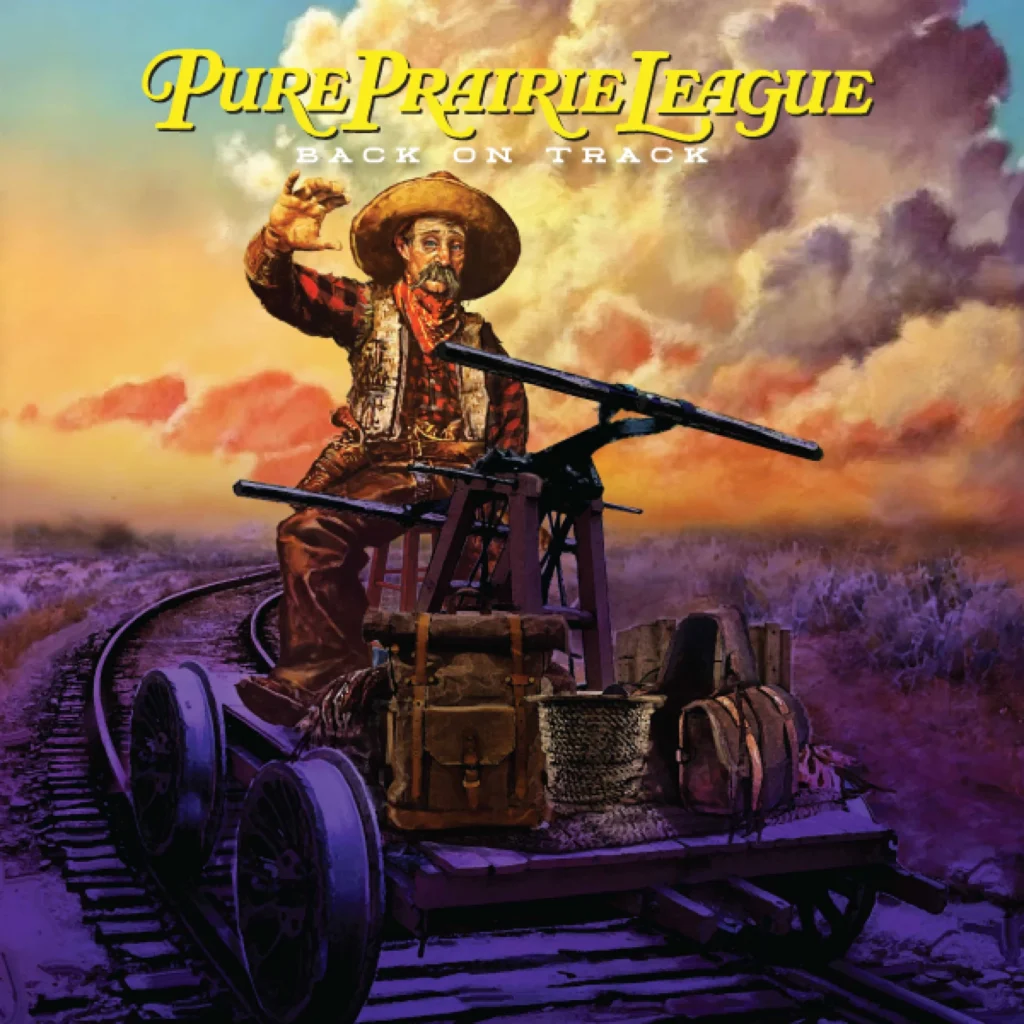
In 2024, Pure Prairie League released their twelfth studio album Back on Track. The record features twelve new songs and pays homage to the band’s 50-plus-year history while exploring new territories.
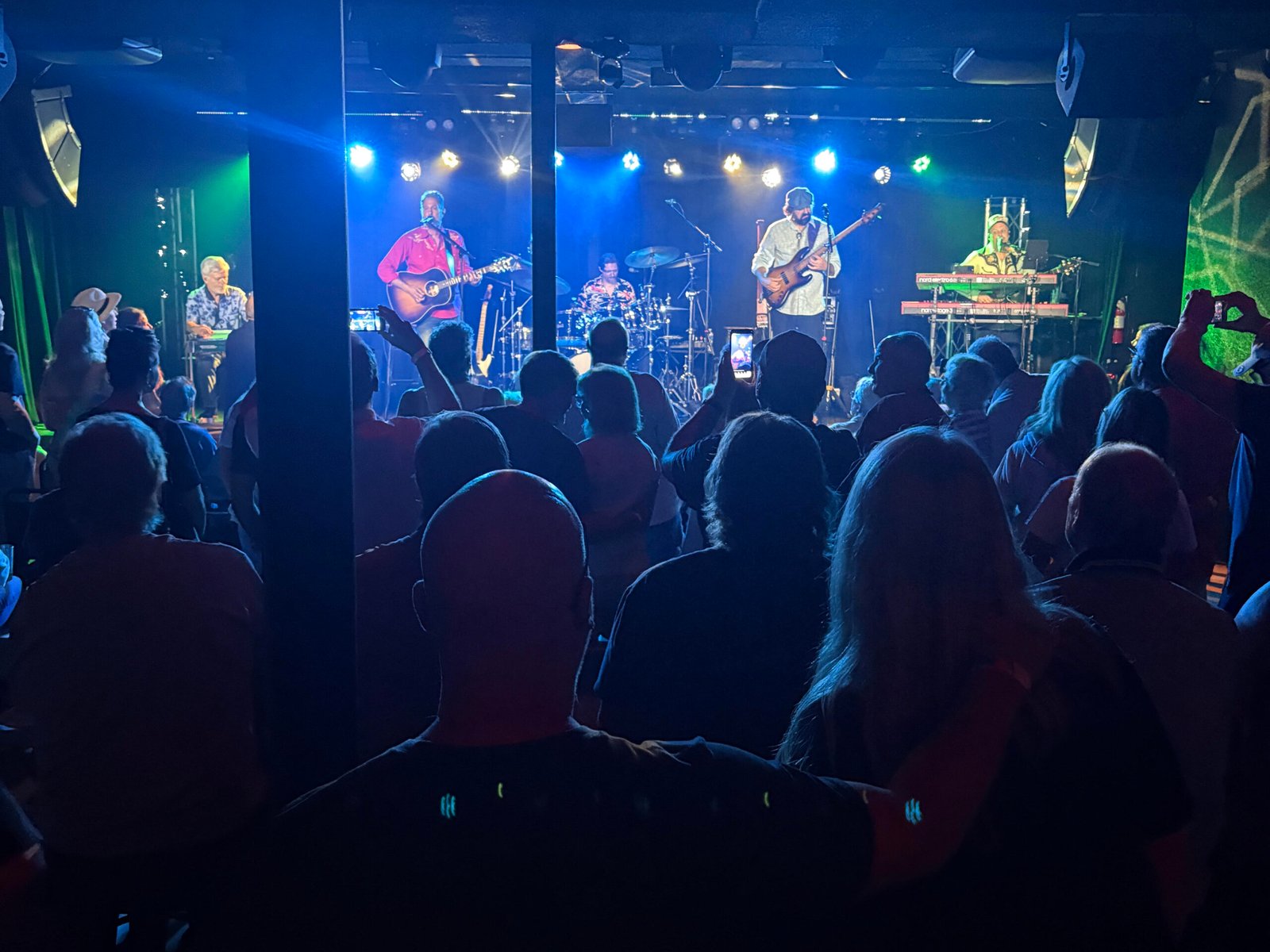
Columbus, Ohio was a stop on the band’s 2026 tour in late July at Woodlands Tavern in Grandview. They appeared on WCBE radio’s ‘Live in Studio A’ the afternoon of the show.
“Looking back at Pure Prairie League years later, Vince Gill felt that in many ways they were ahead of their time,” according to Mark Bego in his book ‘Vince Gill – the unauthorized biography. “They would have fit perfectly into 1990s Nashville, where rock influences and country music seemed to blend seamlessly.
Sources: Columbus – the musical crossroads by David Meyers, Arnett Howard, James Loeffler and Candice Watkins, 2008; Pure Prairie League by Ronnie D Lankford, www.encyclopedia.com; Pure Prairie League, www.lyrictheatre.com; Behind the band name: Pure Prairie League by Alli Patton, July 12, 2023, www.americansongwriter.com; Pure Prairie League – members, gear & sound, www.equipboard.com; www.pureprairieleague.com; Pure Prairie League is ‘Back on Track’ and headed to Needham by Margaret Corona, March 5 2025, www.needhamobserver.com; Pure Prairie League – Back on Track, Dec 2024, www.alancackett.com; Pure Prairie League still going strong after nearly five decades by Scott Iwasaki, Feb 28, 2019, www.parkrecord.com; Pure Prairie League, www.rock.fandom.com; Vince Gill – an unathorized biography by Mark Bego, 2000; www.wikapedia.com; WCBE presents Pure Prairie League live from Studio A by Maggie Brennan, July 27, 2026, www.wcbe.org; The new outdoor venues by Eric Battenberg, May, 1994, Columbus Monthly, www.digital-collections.columbuslibrary.org; Featured picture is the current version of Pure Prairie League, courtesy Mike Reilly, Pure Prairie League management.